Understanding the UK Driving License : A Comprehensive Guide
The UK driving license is an important document that grants people the legal right to run automobile on public roadways. Whether you're a brand-new driver, a foreign nationwide preparation to drive in the UK, or a veteran resident considering a license upgrade, it's crucial to understand the requirements and procedures included. This blog post intends to offer a comprehensive overview of the UK driving license system, consisting of types of licenses, the application process, and essential guidelines and regulations.
Types of Driving Licenses in the UK
There are several categories of driving licenses in the UK, each connecting to different kinds of lorries. The following table lays out the various categories and what they permit:
| License Category | Car Type | Age Requirement | Description |
|---|---|---|---|
| Classification AM | Mopeds | 16+ | Allows the holder to drive mopeds and light quad bikes. |
| Category A1 | Motorbikes (approximately 125cc) | 17+ | For riders of small motorbikes and scooters. |
| Classification A2 | Motorbikes (up to 400cc) | 19+ | For intermediate motorbike riders. |
| Classification A | All Motorcycles | 24 or 21+ (depending on experience) | Full motorcycle license. |
| Classification B | Cars | 17+ | The basic license for driving vehicles, consisting of light vans. |
| Classification C | Big Goods Vehicles | 18+ | For driving automobiles over 3.5 tonnes. |
| Category D | Buses | 24+ | For driving passenger-carrying cars. |
| Classification E | Trailers | 17+ | For driving automobiles with trailers (might require extra tests). |
How to Apply for a UK Driving License
Acquiring a UK driving license involves a number of actions, which can be broken down into the following phases:
- Apply for a Provisional License: Before finding out to drive, you need to obtain a provisional license, which permits you to practice driving under guidance. Individuals can apply online through the main DVLA website or by means of paper forms readily available at Post Offices.
- Prepare for and Take the Theory Test: The theory test consists of 2 parts: a multiple-choice section and a hazard perception section. Candidates should pass both parts to continue to the useful driving test.
- Lessons and Practice: It's suggested to take lessons with an authorized driving instructor to ensure you are effectively prepared for the practical test. In the UK, the average learner requires roughly 45 hours of instructor-led education.
- Book and Pass the Practical Driving Test: Once you feel positive in your driving abilities, you can schedule your dry run. The driving test assesses your capability to operate a vehicle safely and effectively.
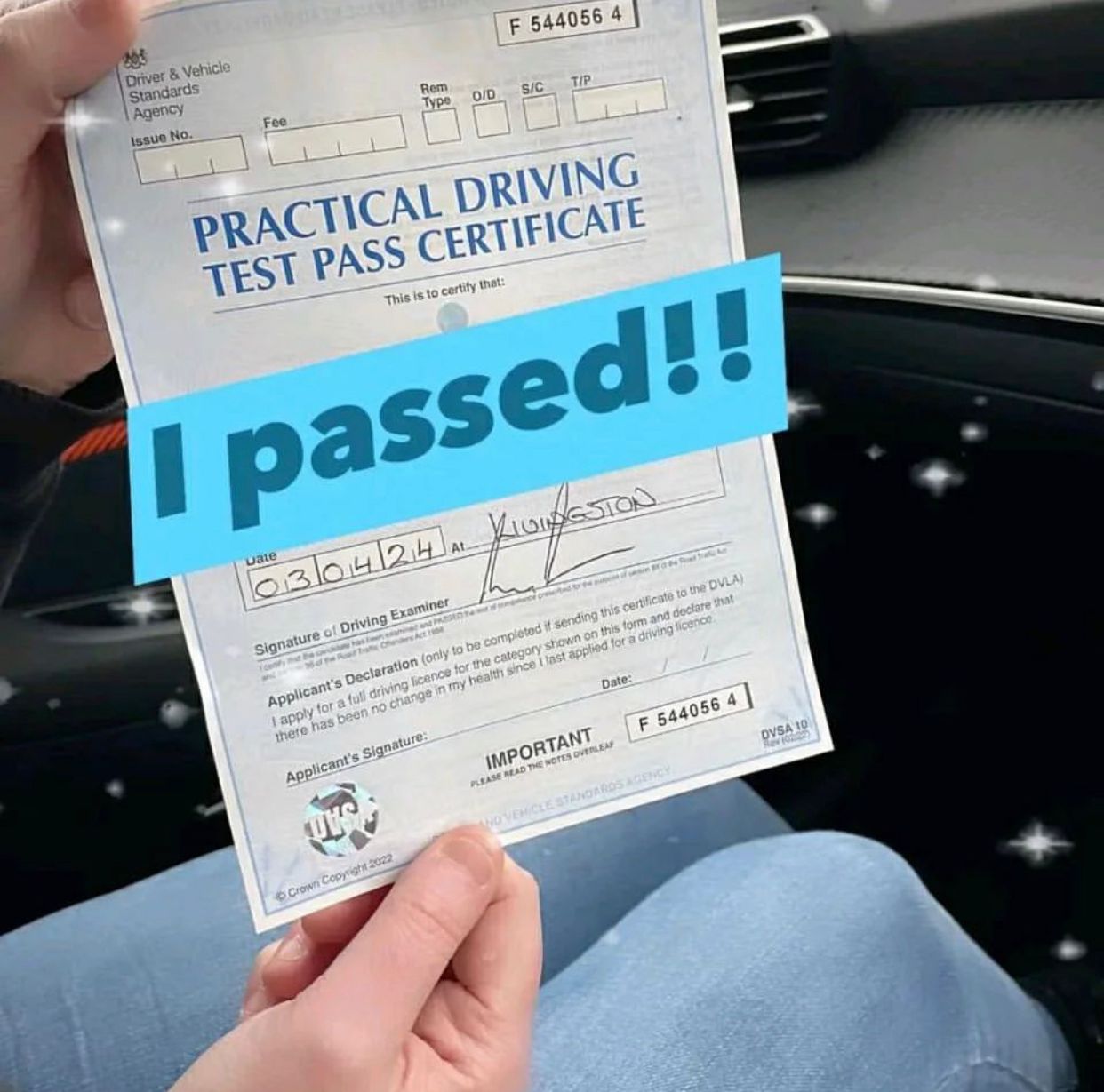
- Receive Your Full License: After passing the useful test, the examiner will issue a pass certificate, which permits you to use for your complete driving license. The DVLA will send you your new license by post.
Key Considerations When Applying
- Age Requirements: Ensure that you satisfy the minimum age requirement for the type of vehicle you want to drive.
- Paperwork Needed: You will need to offer proof of identity, a passport-sized picture, and your National Insurance number.
- Costs: There are charges connected with each phase of the application process, including the expense of the provisionary license, theory test, and dry run.
Important Rules and Regulations
Driving in the UK features duties. Here are some key guidelines that all drivers should follow:
- Seat Belts: It is a legal requirement for drivers and all guests to wear safety belt.
- Speed Limits: Familiarize yourself with speed limitations; they vary by roadway type and vehicle class (e.g., 30 miles per hour in built-up areas, 60 miles per hour on single carriageways, and 70 miles per hour on motorways).
- Consume Driving: The legal alcohol limitation is 0.08% blood alcohol concentration, but for novices and professional drivers, it's 0.00%.
- Mobile Phone Use: Using a smart phone while driving is prohibited unless it is hands-free. Wrongdoers can face substantial fines and points on their license.
Often Asked Questions (FAQs)
1. Can I drive in the UK with a foreign license?Yes, foreign nationals can drive in the UK on a valid foreign driving license for as much as 12 months. After this duration, they must acquire a UK license.
2. How long does it require to get a driving license in the UK?The time frame for getting a driving license can differ widely depending on specific readiness, availability for tests, and instructor schedules but normally can take around 6 months to a year.
3. Can I take the driving test in my own automobile?Yes, you can use your own car for the useful driving test, offered it fulfills particular safety criteria and is guaranteed for driving.
4. What should I do if I lose my driving license?If you've lost your driving license, you need to apply for a replacement through the DVLA. This procedure can be completed online to accelerate the issuance of a brand-new license.
5. How can I inspect my driving license status?You can examine your driving license status, including points and endorsements, by going to the DVLA site and using your driving license number.
Understanding the UK driving license system is basic for anybody seeking to drive legally in the country. Whether obtaining a provisionary license, taking lessons, or understanding guidelines, being educated can cause a much better driving experience. Remember to remain updated on any changes in driving laws and guarantee you keep your driving abilities for security on the roadways.
With this guide, prospective drivers can navigate the complexities of getting a UK driving license with self-confidence and clearness. Drive safely!